Quick answer
GEO (generative engine optimisation) is what you do so that ChatGPT, Gemini, Claude and other AI assistants know and recommend your business. It works through clear, consistent information everywhere, FAQs, a complete Google profile and structured data on your website.
A few years ago, when someone needed a vet or an accountant, they searched on Google and checked the first results. Today more and more people ask an artificial intelligence directly, whether ChatGPT, Gemini, Claude, Copilot, Perplexity, Meta AI on WhatsApp or the AI answer at the top of Google: "Which vet do you recommend in north Quito?". The AI doesn't show ten links, it gives two or three names. If your business isn't among them, for that person you don't exist.
That is what GEO is about.
SEO and GEO: the difference in a nutshell
- SEO (search engine optimisation): what you do so your website ranks high on Google when someone searches for something.
- GEO (generative engine optimisation): what you do so that artificial intelligences know you, understand you and recommend you when someone asks them.
They don't replace each other, they work together: much of what an AI reads comes from what it finds about you online, Google included.
How does an AI decide whom to recommend?
Nobody knows the exact formula, but some things clearly help:
- Clear, consistent information. If your website says one opening time, Google another and Facebook a third, the AI hesitates.
- Saying things directly. A sentence like "we treat pets in north Quito, Monday to Saturday" is much easier to understand than flowery text.
- Real FAQs on your website. AI looks for answers, and if your site already has them written down, it is more likely to use them.
- A complete Google Business Profile with reviews. It is one of the most consulted sources.
- Other sites talking about you: directories, media, associations, customers.
- Data organised for machines. There are ways to tag your website, called structured data, so a program understands your name, address, services and prices.
Two cases I know well
psique.studio. When I built this website, I didn't just take care of the design. I wrote each service in plain words, added FAQs with its clients' real questions and tagged the site with structured data, so Google and AI understand clearly what it is, what it offers and where it works. That is the basis of GEO: a machine being able to explain your business without getting it wrong.
My own website. I asked an AI about Kaleidoscopio Digital and it mixed me up with similarly named companies in Chile and Colombia. I organised the site so there is no doubt: who I am, where I work, what I offer and at what price. It is the same thing I now do for my clients.
What you can do starting today
- Check that your name, address, phone and opening hours are the same everywhere.
- Complete your Google profile with photos, services and hours, and ask your customers for reviews.
- Write on your website, in simple words, what you do, where and how much it costs.
- Add an FAQ section with the questions you get every day.
- Ask two or three different AI assistants about your type of business in your city and see who comes up. Each may give you different names.
And if you don't have time?
All my websites include basic SEO and GEO, from $50. If you already have a website and just want me to review it, message me on WhatsApp and I'll tell you what it's missing.
Frequently asked questions
What is GEO?
Generative engine optimisation: what you do so that artificial intelligence knows, understands and recommends your business when someone asks it.
Does GEO replace SEO?
No. They complement each other, because much of what AI reads comes from what it finds online, Google included.
How much does GEO cost with Kaleidoscopio Digital?
All websites include basic SEO and GEO from $50. A review of an existing website is quoted on WhatsApp.
Sources
Updated on 15 October 2026.
About the author
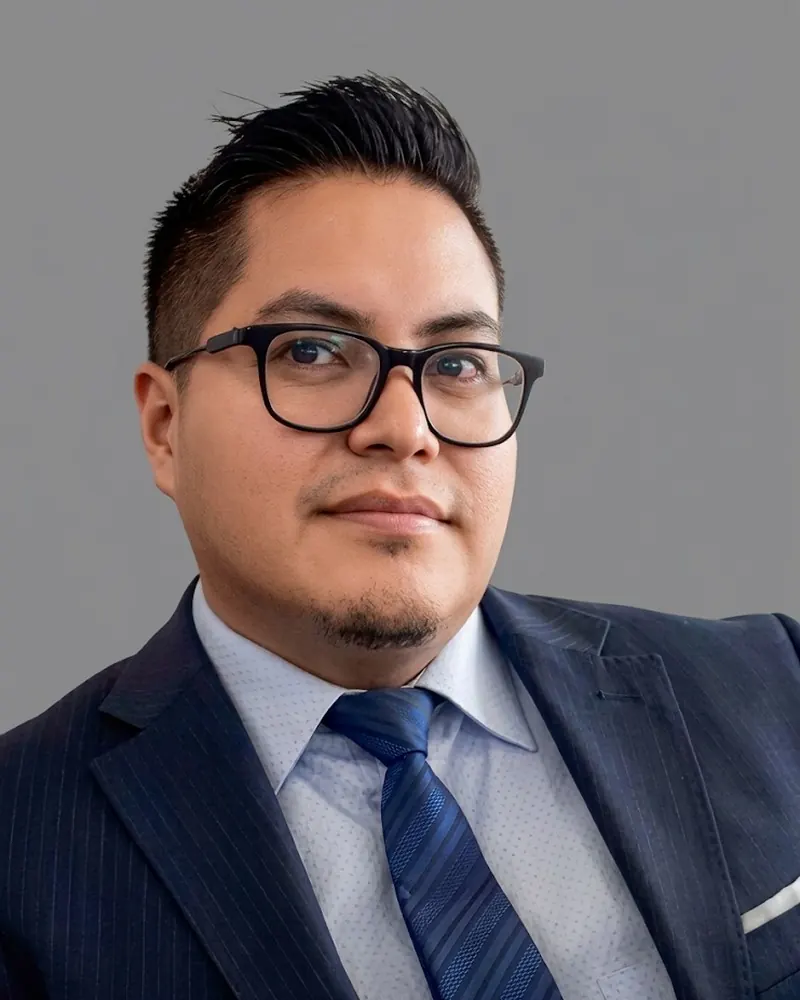
Giovanni Guadalupe
Consultant in digital marketing, imports from China and studying in Russia and China. I took my degree in Moscow, a master's in Minsk and another in Barcelona, and I speak Spanish, English and Russian.